
THE HOUSING CONTINUUM
Connecting South Australian Housing Solutions
South Australia faces significant housing challenges.
Too many South Australians experience housing insecurity or homelessness.
Issues of supply and affordability increasingly affect people in community/social housing, renters and homeowners.
Governments are investing unprecedented effort and resources into finding solutions.
The challenge is ensuring those solutions have the greatest possible impact.
The Housing Continuum offers a different way of understanding that challenge.
HOUSING CONTINUUM OVERVIEW
Every South Australian deserves housing that is affordable, accessible and safe, regardless of their circumstances or where they currently place within the continuum.

Support when housing security is lost
HOMELESSNESS
Homelessness takes many forms, including sleeping rough, couch surfing and staying in temporary or insecure accommodation. Homelessness services provide essential support, helping people meet immediate needs and find pathways towards a stable home.
But services cannot end homelessness without homes for people to move into.
RECOMMENDATION
That the government adopts Housing First as an overarching principle for the homelessness system, with this commitment built into the commissioning of future homelessness services. It should be resourced with further investments in supported accommodation and long-term wrap-around support.
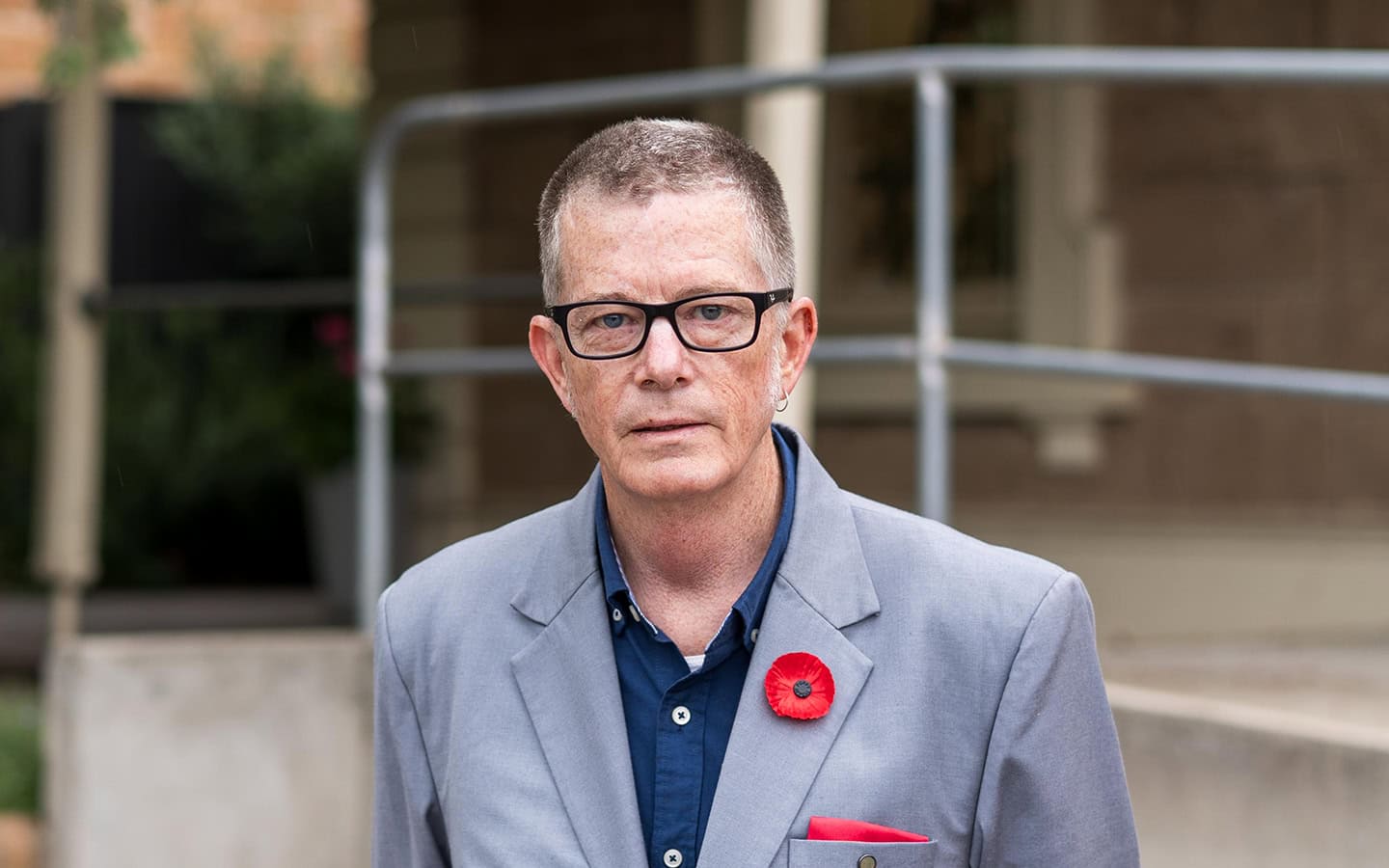
“Housing is about far more than having a roof over your head. It is about security, dignity, and stability. I know what it means to experience homelessness and the uncertainty of not knowing where you will sleep or what comes next. Secure housing is transformative, yet too many people remain in limited housing options. We need to recognise that a safe, secure and affordable home is a fundamental requirement for living a dignified life and participating in society.”
– Duncan, person with lived experience of homelessness

Immediate safety in a time of crisis
EMERGENCY SHELTERS
Emergency shelters provide short-term accommodation when someone has nowhere safe to stay. They are an essential response to a crisis, offering immediate shelter while longer-term options are explored.
Yet shortages of social housing and affordable rentals can leave people with nowhere to go next. An effective housing system needs clear pathways from emergency accommodation into secure, lasting homes.

A place to stay while finding a lasting home
TRANSITIONAL HOUSING
Transitional housing provides temporary accommodation for people moving from homelessness or emergency shelters towards more permanent housing.
It can offer stability during a difficult period, but its success depends on suitable homes being available beyond it. Without affordable options, people can become stuck in temporary accommodation or cycle back into homelessness.
A secure home with support close by
SUPPORTIVE HOUSING
Some people need ongoing support alongside a place to live. Supportive housing brings accommodation together with services that help people maintain their tenancy, address health or other challenges, and live independently.
Approaches such as Common Ground demonstrate the value of combining secure housing with accessible support.

Rebuilding supply to meet a growing need
COMMUNITY OR SOCIAL HOUSING
Public and community housing provides secure homes for people who cannot access suitable housing in the private market. It also strengthens the wider housing system by increasing supply and reducing pressure on other housing options.
Recent investment is welcome, but decades of decline have left substantial unmet need.
RECOMMENDATION
That the government commit to at least maintaining the high-point of its Housing Roadmap. That is, committing to building around 1,000 new public and community homes, every year, to reverse decades of decline, lower the wait-list, and help stabilise the rest of the housing continuum.
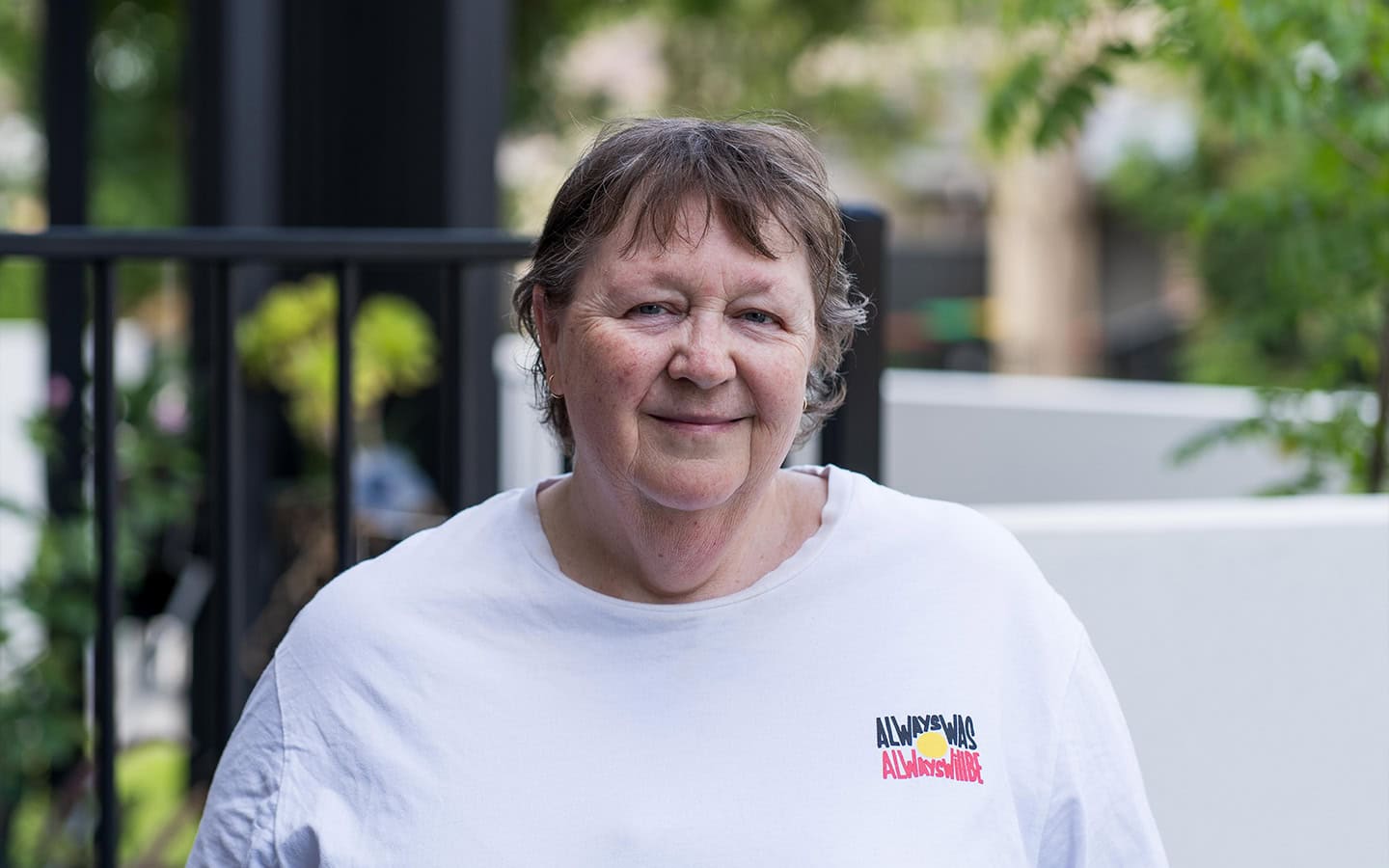
“The biggest lesson I learnt from my experience with homelessness is all the support services that exist can never give a homeless person the one thing that housing does: privacy. When I was given privacy [in public housing], I found equality, I had more choices in my life and became empowered. The benefits of stable housing far outweigh the possibility of endless searching for privacy.”
– Jeni, community housing tenant

Bridging the gap between social housing and the private market
BELOW-MARKET RENTAL/
OWNERSHIP
Some households earn too much to qualify for social housing but still struggle to afford private rents or a mortgage. Below-market housing options help bridge this gap through initiatives such as affordable rentals, rent-to-own schemes and shared equity home ownership.
These programs can provide lasting affordability or a pathway into ownership.
RECOMMENDATION
That the government continue to develop and fund below-market renting and home ownership options, as an addition to traditional public and community options.

“We’ve seen firsthand the difference affordable housing makes to people struggling to obtain a property. Our latest development, Uniting on Second, delivers 70 apartments with a mix of affordable sales and affordable rentals, with rent capped at 74.9% of the market rate. Affordable housing is a vital part of the housing continuum, giving people access to housing who would otherwise be priced out of the market.”
– Ben Moore, Chief Development, Property and Housing Officer, UnitingSA

Rising costs, limited choices, and the need for reform
PRIVATE RENTALS
More South Australians are renting for longer, facing rising costs, strong competition and limited choices. Poor-quality homes and difficulties getting repairs completed can add to the financial and emotional pressure.
Recent tenancy reforms have improved protections, but more action is needed.
RECOMMENDATION
That the government uses the promised introduction of portable rental bonds to implement a range of measures to make renting more affordable and more secure, with better quality housing and easier ways for renters to exercise their rights and voices.

“I’ve been renting for 12 years, and it feels like the power imbalance between tenants and agents has widened. Getting a lease updated or a plumber to look at the toilet can be a struggle. You want to stand up for yourself, but there’s always that worry that if you push too hard, your lease won’t be renewed.”
– Oli, JobSeeker, renter

The affordability of ownership
HOME OWNERSHIP
High house prices, deposit requirements and mortgage repayments are putting home ownership beyond the reach of many households. For some who already own a home, repayment pressures threaten their financial security.
Increasing housing supply is important, but it cannot solve the housing crisis alone.
RECOMMENDATION
That the state government continue efforts to increase housing supply, and this effort be matched across the whole housing continuum.
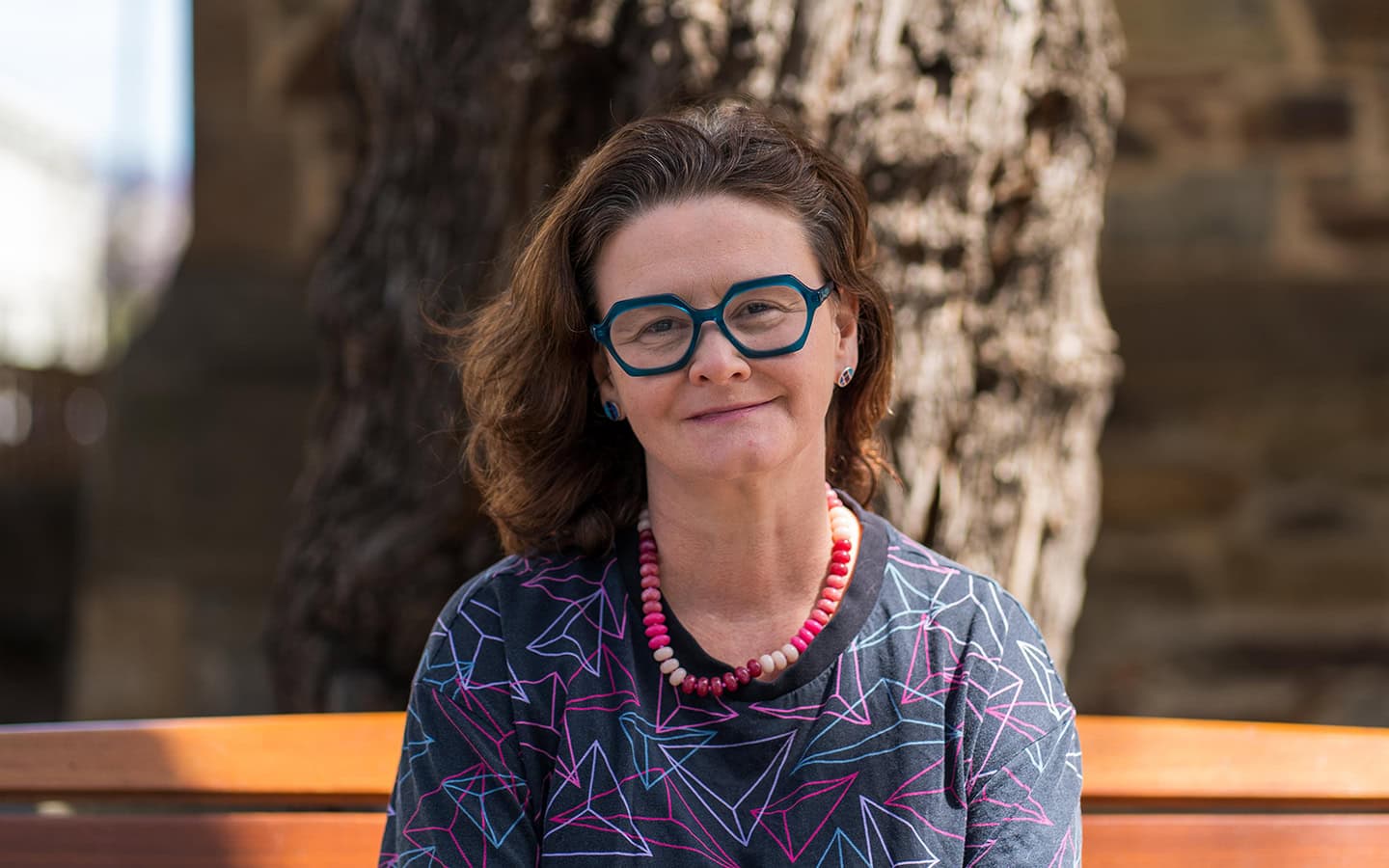
“I work full-time in a good job, but as a solo mortgagee now in my 50s, every time interest rates increase my payments take up more and more of my total income. This is just bad economics, hiking interest rates which affects everyday workers who are living pay to pay while those with cash in the bank get a bonus – and inflation continues regardless.”
– Emma, mortgagee
Different circumstances provide particular housing challenges
DEMOGRAPHICS MATTER
Finding and keeping a safe home can be harder when the homes available don’t meet your needs, when you face discrimination, or when the support you need is hard to access. These barriers can overlap and affect people at any point along the housing continuum.
Explore the examples below to see how they play out in people’s lives.
1
People with disability
A shortage of accessible homes can leave people living in housing that does not meet their needs.
2
People experiencing chronic homelessness
People who experience homelessness repeatedly or for long periods may need ongoing, coordinated support to find and keep a stable home.
3
LGBTQIA+ people
Discrimination, family rejection and violence can make finding and keeping a safe home harder.
4
Younger people
Leaving home, care or the justice system can mean facing housing insecurity with limited support.
5
Aboriginal people
Racism, overcrowding and a shortage of culturally appropriate homes create barriers to secure housing.
6
Veterans
Moving from defence to civilian life can bring housing challenges alongside changes to income and support.
7
Older women
Lower lifetime earnings, limited savings and family violence can increase the risk of housing insecurity.
8
Migrants (Temporary protection visa holders)
Some migrants face restricted access to support, unfamiliar rental systems and difficulty establishing a rental history.
9
People living in rooming houses
Rooming houses can provide a place to live when other options are limited, but accommodation quality varies and residents can face limited privacy and tenancy protections.
Different people, different housing needs
A STRONGER HOUSING SYSTEM MUST WORK FOR EVERYONE
High house prices, deposit requirements and mortgage repayments are putting home ownership beyond the reach of many households. For some who already own a home, repayment pressures threaten their financial security.
Increasing housing supply is important, but it cannot solve the housing crisis alone. SACOSS wants efforts to build more homes matched by investment across the whole continuum, so that improving access to ownership also supports a fairer housing system.
Download the full Housing Continuum report now.
YOUR HOUSING STORY
WHAT’S IT BEEN LIKE TO FIND OR KEEP A HOME?
Whether you’ve struggled to find an affordable rental, waited for social housing or found a home that gave you stability, we’d like to hear what made a difference and what got in the way.
Your experience can help SACOSS better understand what’s working in South Australia’s housing system, where people are facing difficulties and what needs to change. We will use what we learn to inform our current and future housing advocacy.
Use the form to share as much as you feel comfortable telling us.
If you’d prefer to share your experience another way, or need assistance completing this form, please contact SACOSS at sacoss@sacoss.org.au.
HOW WE’LL USE YOUR STORY
- By submitting this form, you agree that SACOSS can read your story and use what we learn from it to inform our housing advocacy.
- We may contact you to follow up if you provide your contact details.
- We’ll always ask for your permission before sharing your story, or any part of it, outside SACOSS. This includes sharing it anonymously, quoting you in a report, or using your story in a campaign.
- We’ll explain what we’d like to share, where it would appear and whether you’d be identified. It’s up to you whether you agree.
IF YOU CHANGE YOUR MIND
- You can ask us to stop contacting you about your story or withdraw your permission for us to use or share it at any time. Email us at sacoss@sacoss.org.au.
- If your story has already been published or shared with your permission, we’ll explain what we can remove and what may still be available elsewhere.